
Is Merbau Decking Worth the Investment?
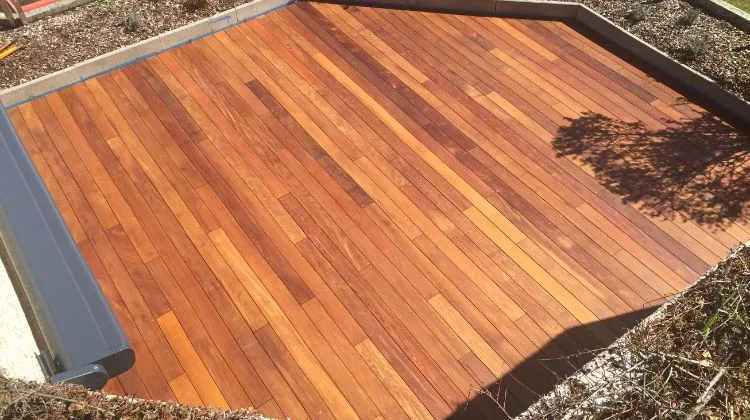
If you’re thinking about upgrading your outdoor space, Merbau decking has become a go-to choice for many — but is it really worth your money?
Cost vs Long-Term Value
- Upfront vs lifetime cost: True, Merbau decking tends to cost more initially than many alternatives. However, because it’s very durable and weathers exposure well, it often ends up costing less over the years. It demands less frequent replacement and fewer repairs.
- Maintenance economy: With regular cleaning and occasional sealing or oiling, upkeep is fairly minimal compared to that of more fragile decking materials.
- Long-term savings: Over time, savings from reduced maintenance and replacement make Merbau an economically sensible choice.
Advantages of Choosing Merbau
- Durability & longevity: WoodSolutions lists Merbau/Kwila as above-ground durability class 1 and termite resistant, which helps explain its common use for exterior decking. Actual service life still depends on design, exposure, installation and maintenance.
- Visual appeal: Its warm reddish-brown tones and distinctive grain bring a sense of warmth, elegance, and timelessness to decks, patios, or pool surrounds. As it ages, the wood develops character — often turning into a silvery patina if left untreated.
- Stability and structural strength: Because it’s dense and stable, Merbau resists warping or shifting with moisture or temperature changes — a big plus for outdoor use.
- Bushfire applications: WoodSolutions lists Merbau/Kwila as a bushfire-resisting timber suitable for specified BAL-12.5, BAL-19 and BAL-29 applications under AS 3959. The correct material and construction detail still depends on the site BAL assessment and the complete building design.
- Sourcing matters: The environmental profile of Merbau depends heavily on where and how the timber was harvested and supplied. In Australia, importers of regulated timber products have due-diligence obligations under the Illegal Logging Prohibition framework. Where certification is claimed, ask for verifiable documentation such as FSC or PEFC chain-of-custody information rather than assuming all Merbau has the same sustainability credentials.
Potential Downsides & What to Watch Out For
- Higher initial cost and availability concerns: It’s typically more expensive than softwoods or basic decking alternatives; its premium nature and demand can drive up cost.
- Natural tannin content — risk of staining: Merbau contains tannins that can leach out when wet, which may stain nearby surfaces (like concrete or tiles) or even track indoors on footwear.
- Need for regular care to retain appearance: While structural maintenance is low, aesthetic upkeep (like applying oil or sealant every so often) helps preserve the rich colour; otherwise, weathering may dull the look over time.
- Environmental and sourcing considerations: Merbau is an imported tropical hardwood, so buyers should ask about species, country of harvest and supporting sourcing documentation. Australian timber-import due diligence rules are designed to reduce the risk of illegally logged timber entering the market.
- Heavier and denser than softwood — installation considerations: Because it is dense hardwood, working with Merbau decking timber (cutting, fixing) may require sturdy framing and experienced craftsmanship (less ideal for light DIY without proper tools).
How to Choose & Use Merbau Wisely
- Pick quality, responsibly sourced boards: Always ask for certification (e.g., sustainable wood certification) to minimize environmental impact.
- Pre-treat the wood before installation: Pre-oiling or pre-washing helps reduce tannin bleed and avoids stains on surrounding surfaces.
- Plan for maintenance: Although structural upkeep is modest, plan for regular surface care (e.g. oiling or sealing) every few months to retain appearance and extend lifespan.
- Ensure proper installation: Use adequate structural support to handle Merbau’s weight, and ensure good ventilation and drainage, especially if used for lower decks or close to the ground.
Final Thoughts: Is It Worth It?
Merbau offers a combination of natural appearance, high above-ground durability and termite resistance that can make it a suitable decking option for many projects. Whether it represents good value depends on current timber pricing, the required board size, installation cost, maintenance expectations and how long you plan to keep the deck.
Related Merbau Guides
- Merbau decking cost in Melbourne
- Merbau decking pros and cons
- Merbau maintenance and oiling guide
- Current Merbau decking range
Content review: Updated September 2026. Technical durability and bushfire references were checked against WoodSolutions; timber-sourcing guidance was checked against Australian Government illegal-logging due-diligence guidance.