
Merbau Decking Installation Guide Melbourne
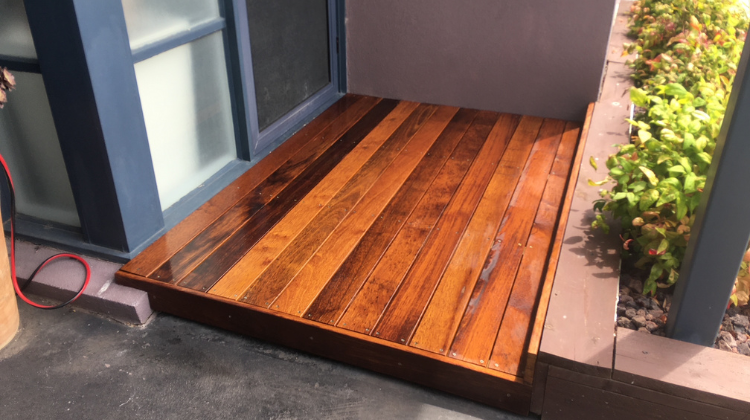
A successful outdoor timber project starts long before the first board is fixed in place. Careful planning helps improve the finished result, reduces material waste, and allows the structure to perform well over time.
Whether you’re working with a professional installer or organising your own project, understanding the preparation process makes it easier to avoid common mistakes.
Why Planning Matters
Outdoor structures are exposed to changing weather conditions throughout the year. Proper planning helps create a solid foundation for long-term performance.
Before construction begins, consider:
- The purpose of the outdoor area
- Site dimensions
- Ground conditions
- Drainage
- Sunlight and shade
- Access around the project
Taking measurements carefully at the beginning often saves time later.
Assessing the Installation Site
Every outdoor space has different characteristics.
Before any work starts, inspect the area for:
- Existing vegetation
- Uneven ground
- Water drainage
- Nearby structures
- Underground services
- Access for materials and equipment
Understanding these conditions allows the project to be planned more effectively.
Choosing the Right Board Profile
Outdoor timber is available in a variety of widths and thicknesses, and the best is Merbau decking timber.
The most suitable profile depends on factors such as:
- Overall project size
- Desired appearance
- Structural design
- Span requirements
- Visual style
Selecting the appropriate profile during the planning stage helps create a more consistent finished appearance.
Allowing for Natural Timber Movement
Natural timber expands and contracts as moisture levels change.
This movement is completely normal and should be considered during project planning.
Good design allows adequate spacing and ventilation to help accommodate seasonal changes without affecting the overall structure.
Site Drainage Is Essential
Water management is one of the most important parts of any outdoor construction project.
Poor drainage can result in:
- Standing water
- Surface staining
- Reduced airflow
- Faster accumulation of debris
Planning suitable drainage helps support the long-term condition of natural timber.
Ventilation Beneath the Structure
Good airflow allows moisture to evaporate more efficiently.
Proper ventilation may help reduce:
- Damp conditions
- Organic build-up
- Moisture retention
Maintaining airflow beneath outdoor structures contributes to long-term performance.
Understanding Natural Timber Variation
Every piece of hardwood is unique.
Natural variation may include:
- Colour differences
- Grain patterns
- Small mineral flecks
- Texture variation
These characteristics are normal and contribute to the appearance of genuine hardwood.
Preparing for Natural Weathering
New timber changes gradually after exposure to outdoor conditions.
During the first few months, you may notice:
- Slight colour changes
- Natural weathering
- Tannin release after rainfall
- Surface drying
These changes occur naturally and vary depending on climate and exposure.
Looking After Timber After Installation
Routine care helps maintain appearance over time.
A simple maintenance schedule includes:
- Removing leaves and debris
- Washing the surface periodically
- Checking drainage remains clear
- Inspecting fixings when required
- Applying protective finishes if desired
Consistent maintenance supports the long-term condition of natural hardwood.
Common Planning Mistakes
Many outdoor timber projects can be improved by avoiding a few common oversights.
These include:
- Inaccurate measurements
- Ignoring drainage
- Limited ventilation
- Poor site preparation
- Skipping routine maintenance
Addressing these issues before construction begins helps create a better finished result.
Frequently Asked Questions
Why should a site be prepared before construction?
Preparation helps identify drainage, access, ground conditions, and other factors that influence the finished project.
Does natural timber move over time?
Yes. Timber naturally expands and contracts as moisture levels change throughout the year.
Why is ventilation important?
Good airflow helps reduce moisture build-up beneath outdoor structures.
Should timber be cleaned regularly?
Yes. Regular cleaning removes dirt and organic material that may affect the timber’s appearance.
Does every timber board look identical?
No. Colour and grain variation are natural characteristics of hardwood.
Final Thoughts
Careful planning plays a major role in the success of any outdoor timber project. Assessing the site, allowing for natural timber movement, considering drainage, and understanding the characteristics of hardwood all contribute to a durable and attractive result.
By focusing on preparation rather than rushing into construction, homeowners can make informed decisions that support the long-term performance and appearance of their outdoor space.