
What Are the Things You Probably Don’t Know About Decking Strips
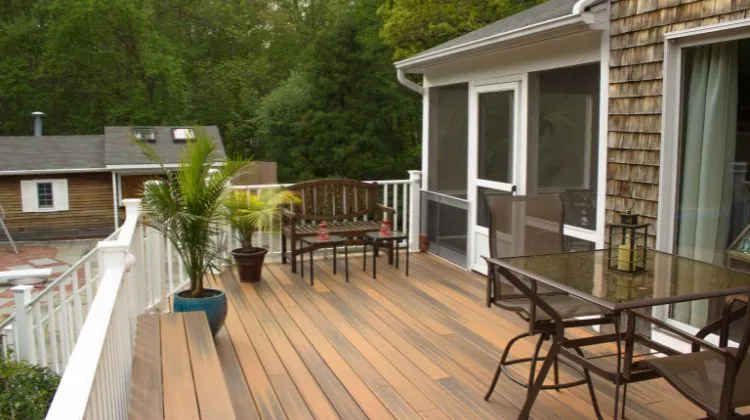
Decking strips are essential components that can significantly enhance the safety and longevity of your deck. However, there are many lesser-known facts about these strips that could influence your decision to use them.
We’ll explore everything you might not know about decking strips and cover topics that competitors frequently discuss. Let’s dive in!
What Are Decking Strips?
Decking strips, also known as anti-slip strips, are protective overlays applied to the surface of wooden decks to prevent slips and falls. They are typically made from materials like GRP (Glass-Reinforced Plastic), rubber, or metal and designed to provide additional grip on otherwise slippery surfaces, especially when wet. If you’re using premium decking materials like Merbau Decking from Outdeco Living, adding high-quality decking strips can help preserve the beauty and functionality of the wood.
Types of Decking Strips
There are various types of decking strips available, each with its own set of advantages:
- Non-Slip GRP Decking Strips: These are among the most popular due to their durability and effectiveness in providing a high-traction surface. They are made from a composite material that is resistant to rot, mould, and elements. Pairing them with Composite Decking from Outdeco Living can ensure a long-lasting, low-maintenance outdoor space.
- Rubber Decking Strips: Ideal for playgrounds or areas with high foot traffic, rubber strips offer a softer surface that reduces the risk of injury.
- Metal Decking Strips: Typically made from aluminium or stainless steel, these strips are highly durable and are often used in industrial settings.
Installation Techniques
One of the things many people overlook is the installation process for decking strips. It’s not just about laying them down; correct installation is crucial for their effectiveness:
- Surface Preparation: The decking surface must be clean, dry, and free from any debris or old finishes. This ensures that the strips adhere correctly. For example, if you’re installing strips on Merbau Decking 140mmx19mm KD from Outdeco Living, proper preparation is essential to maintain the integrity of the wood.
- Fixing Methods: Depending on the material of the strips, you can use adhesive, screws, or nails. GRP strips, for example, are usually fixed with screws that come with the strips.
- Cutting and Sizing: Most decking strips come in standard sizes but can be easily cut to fit specific dimensions. Ensuring a snug fit without gaps is essential for both aesthetics and functionality.
Durability and Longevity
Decking strips are designed to withstand heavy use and harsh weather conditions, but their durability varies depending on the material:
- GRP Strips: Known for their long-lasting properties, these strips can last for decades with minimal maintenance. They are resistant to UV rays, water, and temperature fluctuations. When installed on Durable Merbau Decking, they provide an extra layer of protection, ensuring the deck remains safe and visually appealing.
- Rubber Strips: While they provide excellent grip, rubber strips may wear out faster in areas with extreme weather conditions or heavy foot traffic.
- Metal Strips: Metal decking strips are the most durable and are often used in commercial or industrial settings. However, they can be prone to corrosion if not correctly maintained.
Maintenance Requirements
Maintaining decking strips is relatively straightforward but often overlooked. Regular maintenance can significantly extend their lifespan:
- Cleaning: Regularly sweep and clean the strips to remove dirt, moss, or algae that can accumulate and reduce their effectiveness. This is particularly important if your decking features Merbau Screening from Outdeco Living, as debris can collect between the strips and the wood.
- Inspection: Periodically check for any signs of wear or damage, such as cracks or loose fittings. Early detection can prevent accidents and extend the lifespan of your decking strips.
- Reapplication: After several years of use, depending on the material, some decking strips may need to be re-adhered or replaced.
Cost Considerations
While decking strips are a cost-effective way to enhance the safety of your deck, the price can vary significantly based on material and quality:
- Initial Investment: GRP strips are usually more expensive than rubber or metal, but their durability can make them more cost-effective in the long run.
- Installation Costs: If you’re hiring a professional to install the strips, labour costs can add to the overall expense. However, DIY installation can save money if done correctly.
- Long-Term Savings: Investing in high-quality decking strips can reduce the need for frequent repairs or replacements, offering savings over time. Pairing them with Merbau Dar from Outdeco Living ensures you’re getting the best out of both your decking and strips.
Environmental Impact
The environmental impact of decking strips is another aspect that’s often overlooked. Depending on the material, decking strips can have varying degrees of ecological friendliness:
- Recyclability: Metal and some GRP decking strips can be recycled, making them a more sustainable choice.
- Eco-Friendly Materials: Some manufacturers now offer decking strips made from recycled materials or materials that have a lower environmental impact during production. Pairing these with Eco-Friendly Composite Decking from Outdeco Living can create a sustainable outdoor space.
Aesthetic Options
Decking strips are not just functional; they can also enhance the appearance of your deck:
- Colour Choices: Many decking strips are available in a variety of colours, allowing you to match or contrast them with your deck for a stylish finish. This can complement products like Decorative Screens or Faux Green Wall panels from Outdeco Living, creating a cohesive outdoor aesthetic.
- Customization: Some suppliers offer custom designs or branding options, particularly for commercial settings where company logos or specific patterns are desired.
Legal and Safety Regulations
In some areas, the use of non-slip decking strips is not just a recommendation but a legal requirement, particularly in commercial or public spaces:
- Building Codes: Check local building codes to ensure compliance. Some regulations may require specific types of anti-slip measures in areas with heavy foot traffic or where the deck is exposed to the elements.
- Health and Safety Standards: Failing to install adequate anti-slip measures, especially in commercial settings, can result in legal consequences if an accident occurs.
Common Myths About Decking Strips
Several misconceptions about decking strips can lead to poor decision-making:
- Myth: Decking Strips Are Only for Commercial Use: While they are essential in commercial settings, decking strips are equally beneficial for residential decks, especially in areas prone to wet or icy conditions.
- Myth: All Decking Strips Are the Same: There is a wide variety of decking strips available, each with specific features suited to different environments and needs.
- Myth: Decking Strips Are Expensive and Unnecessary: The cost of decking strips is often offset by the enhanced safety and longevity they provide, making them a valuable investment.
Conclusion
Decking strips are a small but significant addition to your decking that can enhance safety, extend longevity, and even add aesthetic value. By understanding the different types, installation techniques, and maintenance requirements, you can make an informed decision that will keep your deck safe and looking great for years to come. Whether you’re a homeowner looking to improve your outdoor space or a business owner ensuring compliance with safety regulations, decking strips are a wise investment.
Explore the range of high-quality decking options at Outdeco Living, including Treated Pine MGP10 h3 Melbourne, Merbau Decking, Composite Decking, and other accessories that can complement your anti-slip decking strips.