
Why Choose Composite Decking for Your Outdoor Space
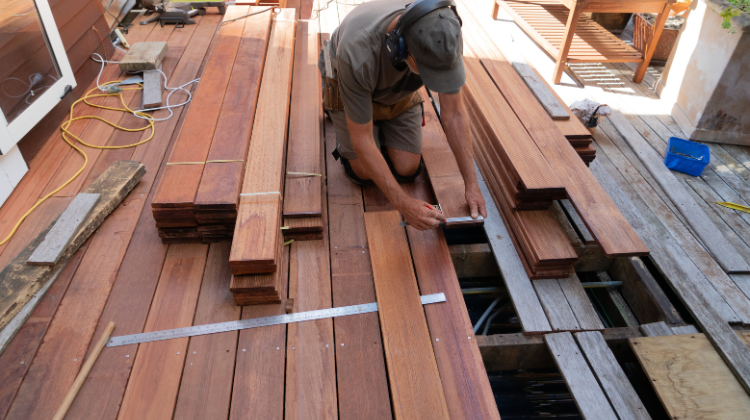
Composite decking is a popular low-maintenance alternative to timber for many outdoor projects. It is available in different material systems, finishes and board profiles, so performance, heat, slip resistance, fire suitability, recycled content and warranty terms should be checked for the exact product you are considering.
In this guide, we explore what composite decking is, how it looks, and the key reasons it remains a popular low-maintenance decking choice in 2026, with practical information to help you make an informed decision.
What Is Composite Decking?
“Composite decking” can describe more than one construction type. Many wood-plastic composite (WPC) boards combine wood fibre or wood flour with plastic and additives, while other products use PVC or capped/engineered polymer systems. The exact composition varies by manufacturer and range.
Depending on the product and manufacturer specifications, composite decking may offer:
- Good resistance to moisture in normal exterior use
- UV- and fade-resistance characteristics specified by the manufacturer
- Low-maintenance
- Resistance to decay and insect-related damage that varies by product construction
Available in a variety of finishes, profiles, and colours, it is a popular option for homeowners, architects, and builders aiming for long-lasting outdoor results.
What Does Composite Decking Look Like?
One of the most appealing aspects of modern composite decking is its realistic timber appearance. Thanks to advanced manufacturing, today’s boards closely replicate:
- Timber grain textures
- Natural colour variations
- Matte or brushed finishes
From warm Merbau tones to cool greys and earthy browns, composite decking complements modern, coastal, rustic, and Hamptons-style homes.
Why Composite Decking Is a Top Choice in 2026
1. Low Maintenance
Composite decking generally avoids the regular oiling or staining associated with natural timber, but it still requires routine cleaning. Follow the manufacturer’s care instructions for dirt, mould, food stains and other contaminants rather than assuming every board can be maintained the same way.
2. Long-Term Durability
Composite boards are:
- Fade-resistant
- Splinter-free
- Highly resistant to warping, cracking, and rotting
These characteristics can make composite decking suitable for many high-use outdoor areas, but suitability for coastal exposure, pool surrounds or bushfire-prone sites must be confirmed against the technical documentation for the exact board system.
3. Material and Recycled-Content Considerations
Some composite decking products incorporate recycled wood fibre, recycled plastics or other reclaimed inputs, while others use different polymer constructions. Recycled content, certification and manufacturing claims vary by brand, so check the product documentation rather than assuming every composite board has the same environmental profile.
4. Surface and Safety Considerations
Composite boards do not develop timber splinters in the same way as natural wood, but surface temperature and slip performance vary with colour, texture, weather and product design. Darker boards can become hot in direct sun, and wet-area projects should use a board with an appropriate documented slip rating.
5. Consistent Appearance
Natural wood can vary in colour and grain, while composite decking offers uniform boards for a seamless look. UV protection also ensures colour retention over time.
6. Great Warranty Options
Warranty length and coverage vary significantly by brand and range. Before buying, check the written warranty for structural coverage, fade/stain limits, installation requirements, exclusions and whether commercial use is treated differently from residential use.
Key Facts About Composite Decking
| Property | Detail |
| Initial Cost | Varies by brand, board profile and range. Compare the complete project cost, including substructure, fixings, fascia/edge boards and delivery. |
| Fire / BAL suitability | There is no universal BAL rating for “composite decking”. Use a product in a bushfire-prone project only where the exact system has suitable evidence for the required construction and BAL conditions. |
| Cutting & Installation | Installs similarly to timber, but may require specific fasteners or clips. |
| Availability | Widely available across Australia in various colours, lengths, and profiles. |
| Customisation | Many brands offer accessories like matching fascias, railing systems, and hidden fixings. |
Common Questions Answered
Q: Is composite decking better than timber?
A: It depends on the project. Composite can reduce routine finishing maintenance, while timber offers a natural material and different repair/refinishing options. Compare appearance, installed cost, maintenance, heat, slip, warranty and project-specific compliance.
Q: Will it fade over time?
A: Fade performance varies by product. Many manufacturers design exterior boards to limit colour change, but the acceptable fade level and warranty terms should be checked in the specific product documentation.
Q: Can it be painted or stained?
A: Usually not as part of normal maintenance, but coating compatibility varies by product. Follow the manufacturer’s instructions before applying paint, stain, oil or any surface treatment.
Q: Is it slippery when wet?
A: Slip resistance varies by board texture, contamination and whether the surface is wet. For pool or other wet areas, check the documented slip classification for the exact product.
Q: Is it suitable around pools?
A: Many composite products are used around pools, but confirm the board’s slip rating, heat behaviour, chemical-cleaning guidance, fixing system and warranty conditions before specifying it for a pool surround.
Final Thoughts
Composite decking can be a strong option where low routine finishing maintenance and consistent board appearance are priorities. The best choice depends on the exact product range, project exposure, installation system, budget and technical requirements.
For a natural-hardwood alternative, compare our Merbau decking range. For composite options, review the current Composite Decking Melbourne category and our composite decking brands guide before choosing a board.
Need help choosing the right composite decking in Melbourne for your space?
Contact our decking experts today for personalised recommendations, samples, and a free quote.
Content review: Updated September 2026. Product-level fire/BAL, slip, heat, composition and warranty claims should be checked against the technical documentation for the exact composite decking range being specified.